🌿 Amity Arkansas
Amity Arkansas history

Local History

The history of Amity, Arkansas

A small-town story shaped by the Caddo River, early settlement, the public square, railroad growth, timber work, schools, churches, newspapers, and local memory.

Why this history matters

Amity has more story than a quick drive-through shows.

The town’s story runs through river settlement, church and school life, the public square, railroad trade, timber work, small-town newspapers, mining rumors and booms, and generations of people who kept the community going. This page is meant to be a starting point, not the final word.

Pioneer beginnings near the Caddo River
Pioneer beginnings near the Caddo River 0

Amity Story

Pioneer beginnings near the Caddo River

Amity’s roots go back to the 1840s, when early families settled near the Caddo River and nearby bottomland. Water, farmland, and old travel routes mattered then, and they still help explain why the town sits where it does. The name Amity points toward peace and friendship, which gives the town a quieter origin story than most people expect.

Church, school, and community roots
Church, school, and community roots 0

Amity Story

Church, school, and community roots

Like a lot of rural Arkansas towns, Amity grew around the practical things people needed first: church, school, family, land, and places to gather. Early buildings often served more than one purpose, and community life was built by people who had to depend on each other. That part of the story still matters because Amity has always been more of a hometown than a tourist stop.

A town built around a public square
A town built around a public square 0

Amity Story

A town built around a public square

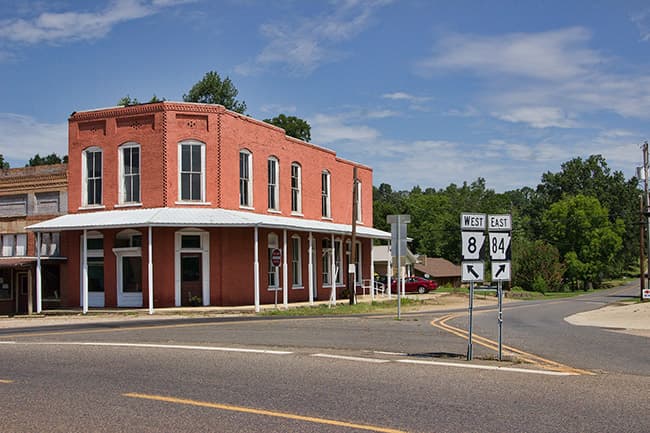
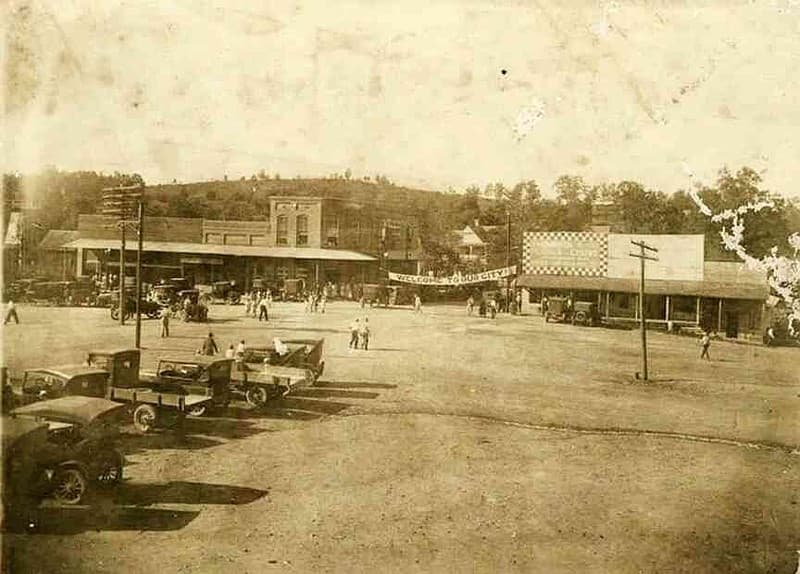
Amity’s town center eventually formed around a public square, giving the community a clear gathering point for business, city life, and local identity. The square is still one of the best visual anchors for the town. Even when businesses change and buildings age, the square helps tell the story of what Amity has been.

Railroad growth and the timber years
Railroad growth and the timber years 0

Amity Story

Railroad growth and the timber years

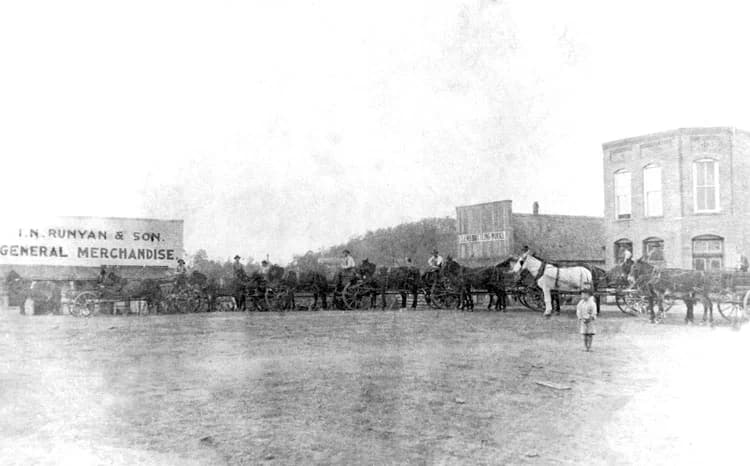
The railroad and timber economy helped shape Amity’s growth in the early 1900s. Rail access made it easier to move goods and lumber, while sawmills and timber work supported families across the surrounding area. This part of Amity’s history is not flashy, but it is important: a lot of the town’s identity was built through work, hauling, cutting, building, and keeping things going.

Old banks, newspapers, and local voice
Old banks, newspapers, and local voice 0

Amity Story

Old banks, newspapers, and local voice

Amity once had more of the small-town institutions people expected from a local trade center: banks, stores, schools, churches, and newspapers that carried community news. Those pieces helped the town stay connected before social media, before websites, and before so much local information disappeared into scattered posts and old memories.

Quicksilver, timber, and forgotten stories
Quicksilver, timber, and forgotten stories 0

Amity Story

Quicksilver, timber, and forgotten stories

The Amity area also has stranger, lesser-known history, including cinnabar and quicksilver mining activity in the broader region before World War II. Add that to timber, railroads, old schools, and the square, and Amity has more story than a quick drive-through shows. Some of it is documented, some of it lives in family stories, and some of it needs locals to help fill in the gaps.

Amity today
Amity today 0

Amity Story

Amity today

Today, Amity is best understood as a small hometown and local stop near bigger outdoor routes. It connects naturally to Glenwood, the Caddo River, Lake Greeson, DeGray Lake, Crater of Diamonds, Mount Ida, and Hot Springs. The goal of this guide is to help preserve what is still here, point people toward what is nearby, and make Amity easier to find online again.

Have old Amity photos or memories?

This history section can grow with help from locals. Old school photos, town square memories, church events, business stories, family history, and corrections are all welcome.

Send a Local Memory